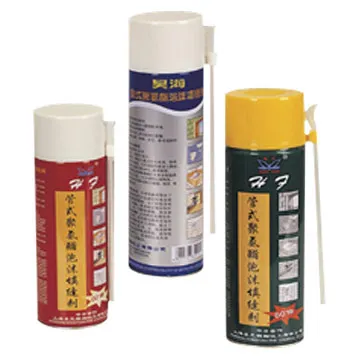
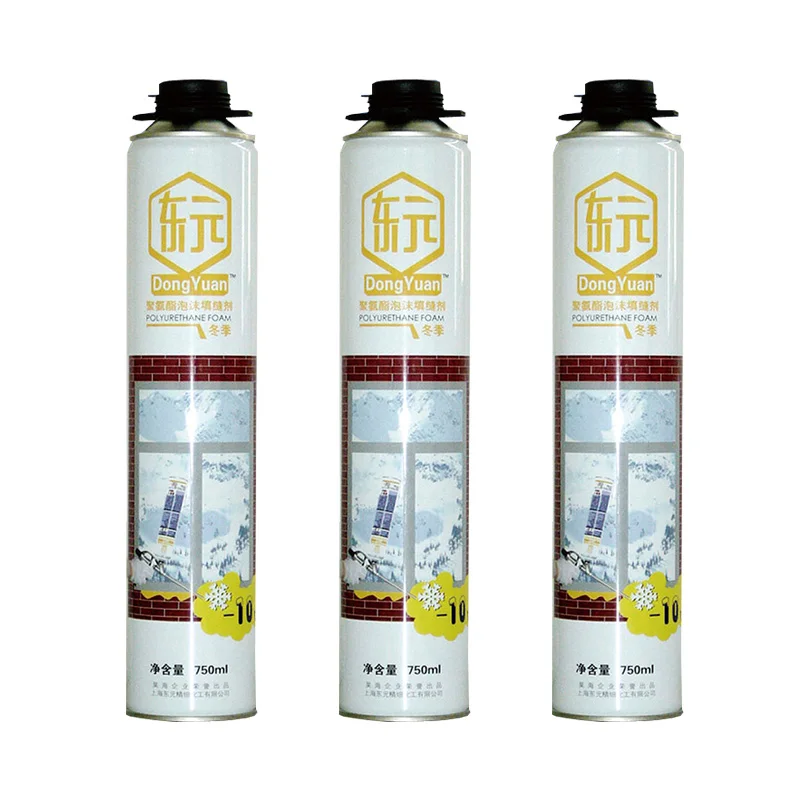
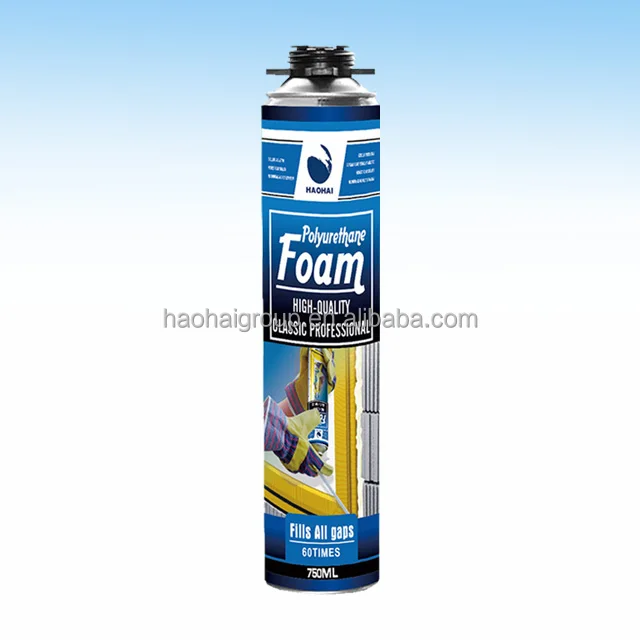
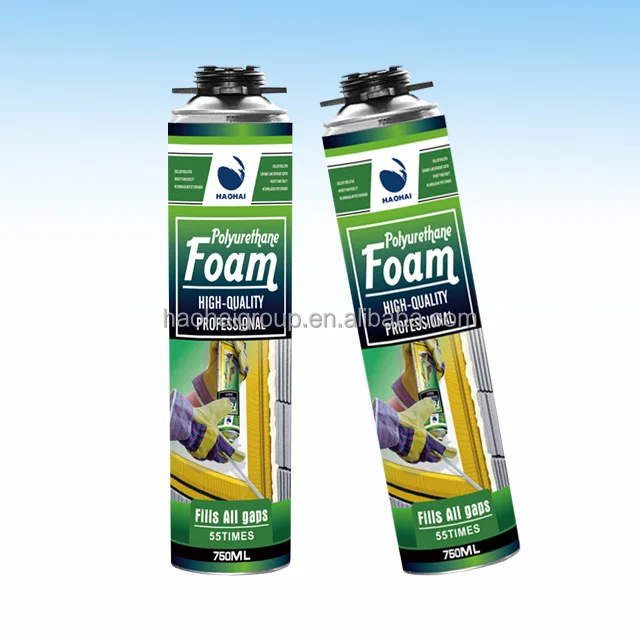
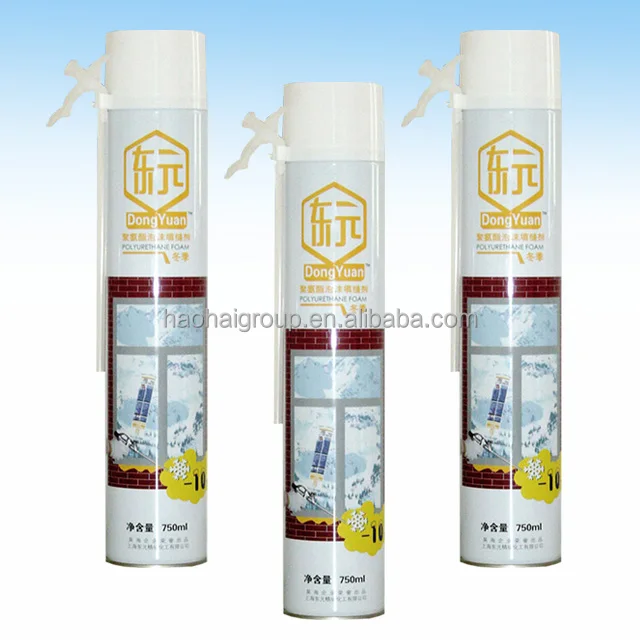
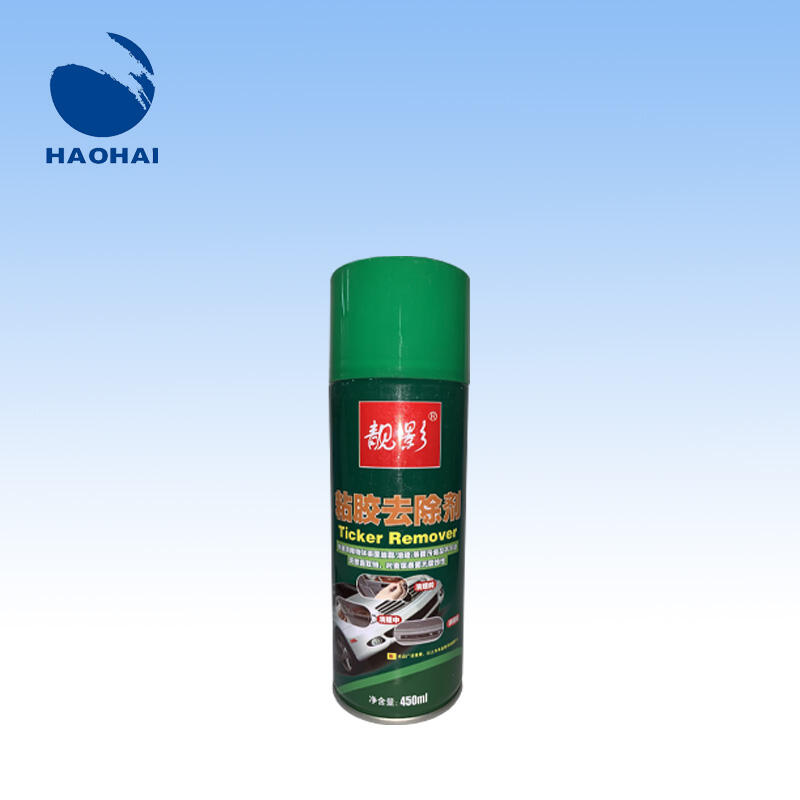
What is expanding foam sealant? Foaming expanding sealant is a miracle product when it comes to fixing things around your house. It can save your house from the heat in the summer and the chilly weather in the winter. In this article, we’ll explore everything you need to know about how to use foam expanding sealant for DIY projects, the advantages of using it to insulate your home, how to choose the right foam sealant, how it works to seal cracks and gaps, and mistakes to avoid.
If you’re using foam expanding sealant, be sure to shake the can well before you start. Here’s how to mix and open it up so you can get the full benefit. Then, aim the nozzle where you want to fill the crack or hole and pull the trigger. The foam will emerge and begin to fill in, so don’t use too much. After you’re finished, just wait for the glue to dry and then cut away the excess foam with a knife.
Foam expanding sealant is great for insulating your home as well, because it can fill voids such as cracks and crevices where warm or cool air may be coming in or escaping out. By insulating these areas, you can help maintain the temperature in your home year round. This can even save you money on your Energuide bills, as your furnace and air condition won’t have to work as hard to heat and cool your home to the desire temperature.
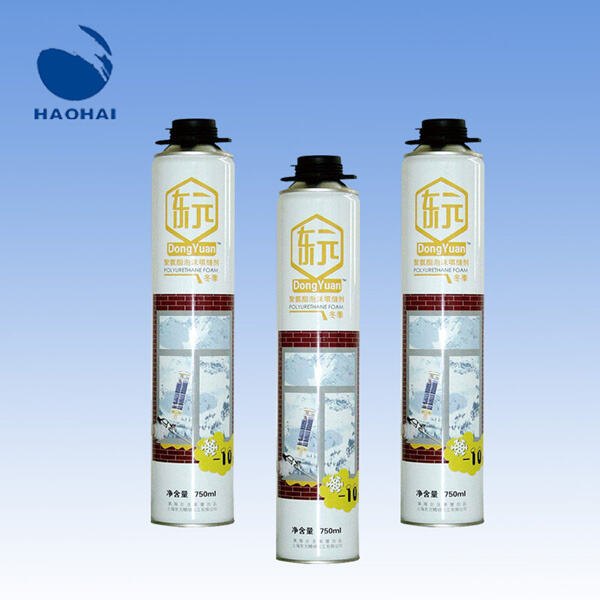
While selecting foam expanding sealant, you also need to consider the model you are going to use for your project. Foam sealants differ, so check the label on the sealant for specific instructions. You’ll also want to think about the size of the gaps or cracks you want to fill; some foam sealants are better for wider openings, while others are better for narrower ones.
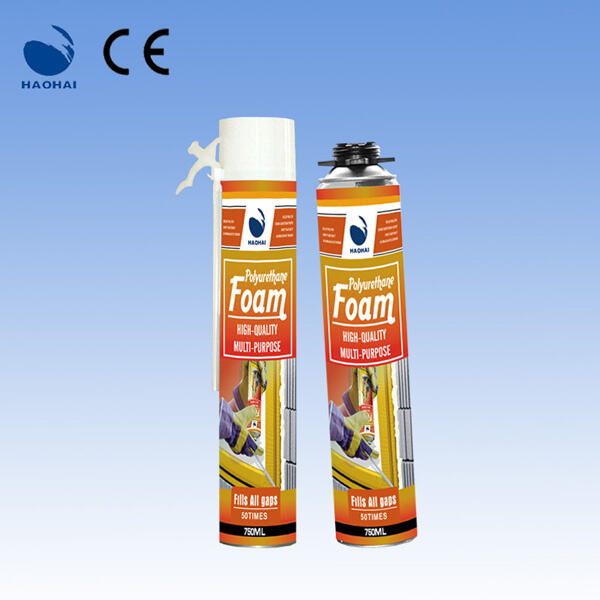
How does foam expanding sealant work? Foam expanding sealant is created by chemicals that combine to produce a fine foam-like material that expands into an affected area upon application. So when you spray it into a crack or gap, it expands to fill, even in the tiniest crevice, and hardens as it dries. This forms a tight seal that helps prevent anything from getting through including air, water and pests. The foam also is insulating and that can mean better temperature control inside your house.
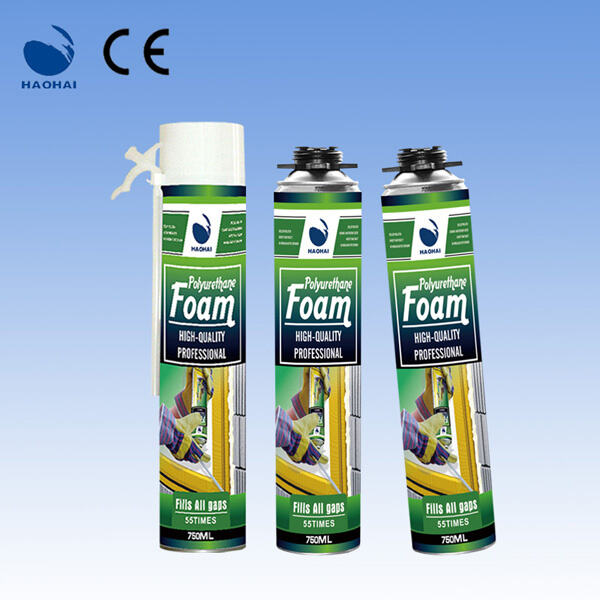
One of the common mistakes of foam expansion sealant is overusing it. This has the potential to make the foam expand too much and make a mess. Another part being missed by this not doing a good job shaking that sucka before you pull the trigger and out comes the foam that doesn’t expand enough. When working with foam sealant, it’s also important to don gloves and eye protection to keep the chemicals off of your skin and out of your eyes.
Our service is comprehensive and professional We have a highly skilled customer service team who can resolve any customer's issue efficiently The foam expanding sealant customer service system and technical support will ensure that we give the best service to our customers
Haohai founded in the month of foam expanding sealant, has maintained its fast and steady growth rate. The company has also been designated an "Advanced Enterprise and Civilized Unit in Technology Innovation" and has received ISO9001:2015 certification for its quality system. Our products are of high quality because we have a high-quality quality management system and the most advanced equipment and a highly skilled staff.
Our most popular products are Duct Panel, PU foam and stonefix adhesive foam, polystyrol foam multipurpose spray adhesive foam and personal care such as home care, aerosols for car care. Today, we are developing foam expanding sealant for a variety of well known companies around the world.
Our products are manufactured using the top quality materials They foam expanding sealant their competitors in terms of strength and performance They are highly regarded by both foreign and domestic customers

Copyright © Shanghai Haohai Chemical Co.,Ltd.
All Rights Reserved

 EN
EN