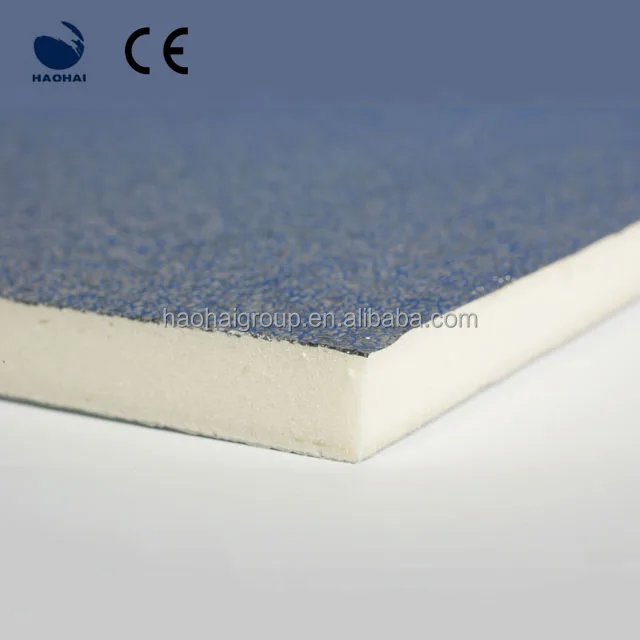
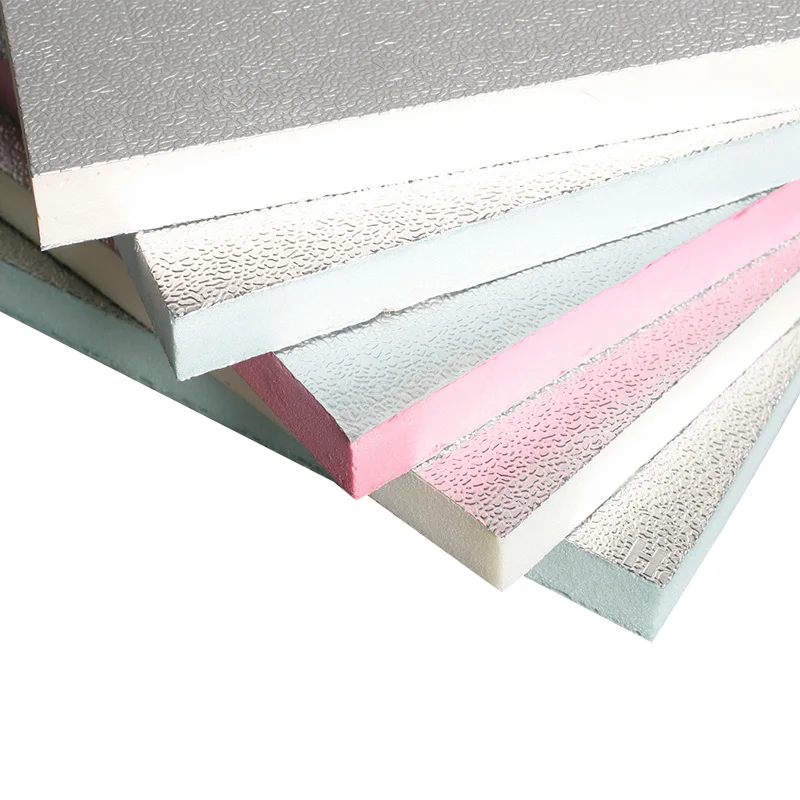
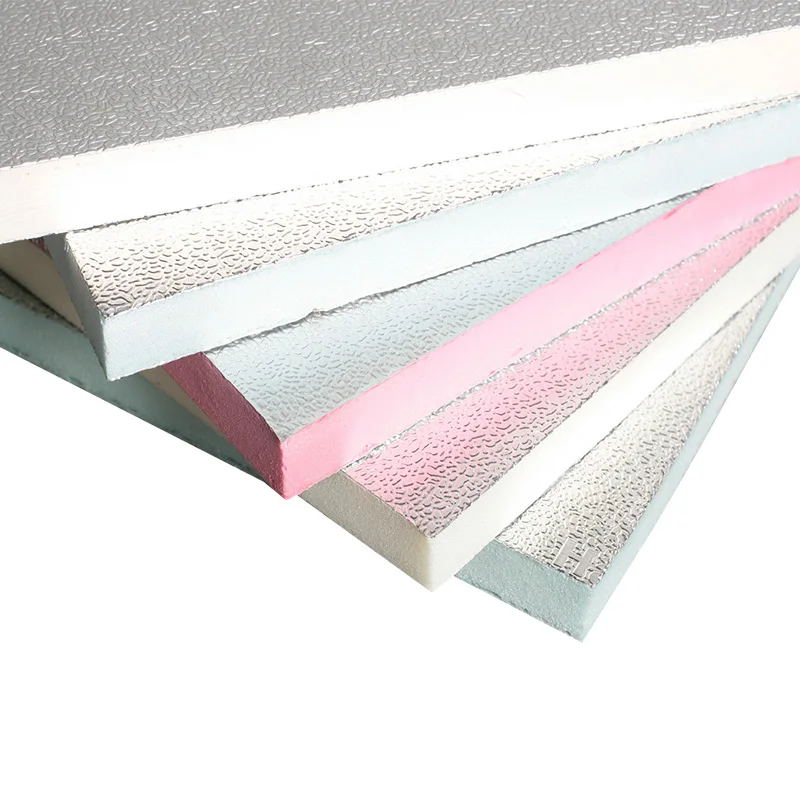
Heat-insulation boards are a material used to hold heat in during the winter, and keep it out during the summer. They are primarily used in construction to make it difficult for heat to travel through the walls, roofs and floors however there are many other reasons as to why insulation boards are a good idea in any building Here we will look at the benefits of PU FOAM thermal insulation board in its variety of applications, how it improves upon energy efficiency in buildings, a guide to ensure the right insulation board is chosen to meet your project’s requirements, how insulation boards help with the environment and the cost savings associated with using insulation boards in building projects.
Keeping the building comfort for the entire year is one of the key advantages of using the heat insulation board in construction. These material can control and lower the level of heat flow of transfer as it limits the amount of heat going across walls, roofs and floors, keeping the temperature inside a house or building at a low and constant temperature regardless of the weather conditions outside. That can help save on energy bills — as well as make buildings more comfortable to live or work in.
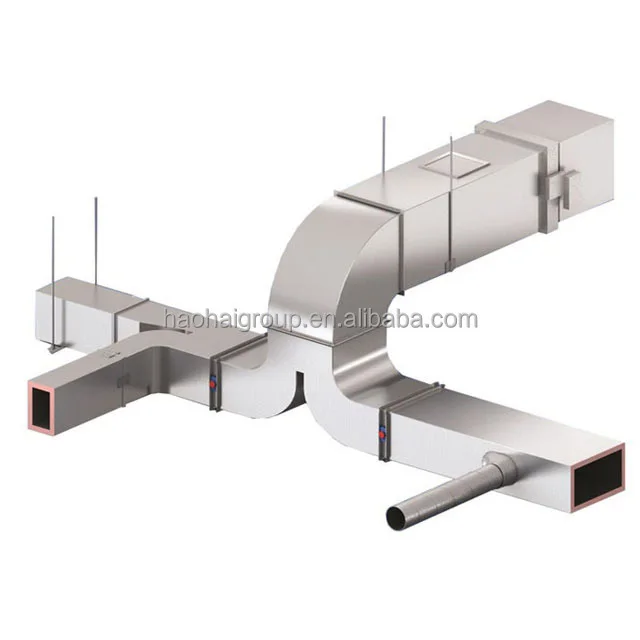
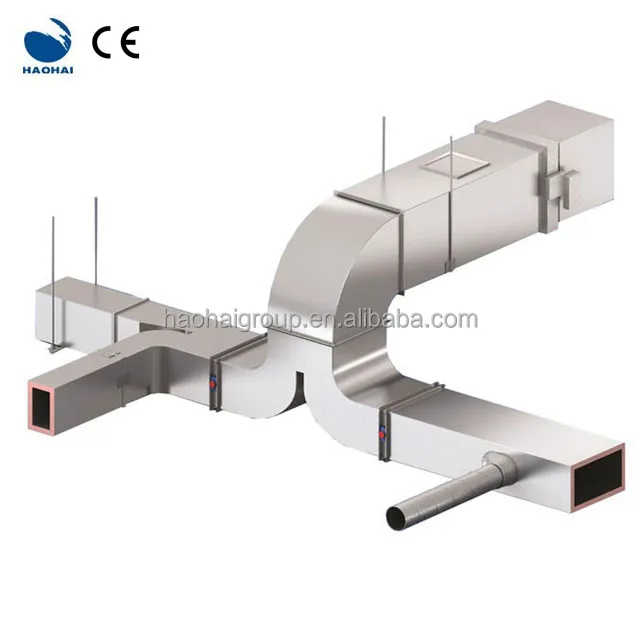
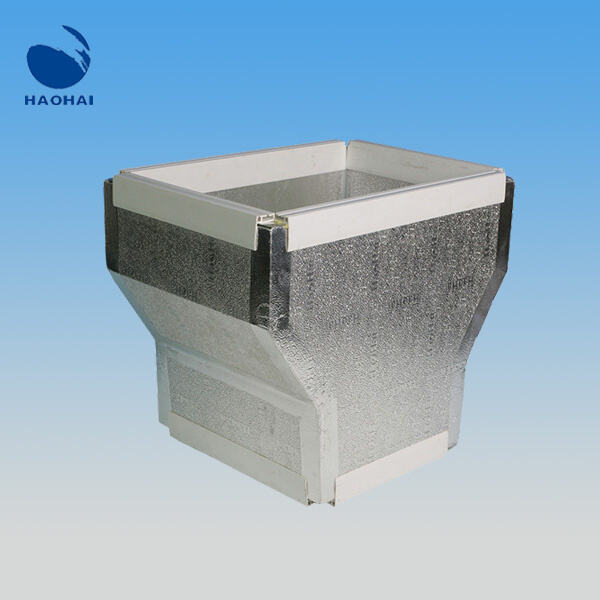
Yet another important advantage of HVAC PRE - INSULATED DUCT thermal insulation board when used in construction is that it may offer energy savings for buildings. As it decreases the flow of heat through walls, roofs and floors, you can use thermal insulation board to reduce the amount of energy you use to heat or cool a building. It can translate to lower energy bills and a reduced carbon footprint. Moreover insulation thermal board could contribute to environmentally friendly of the building.
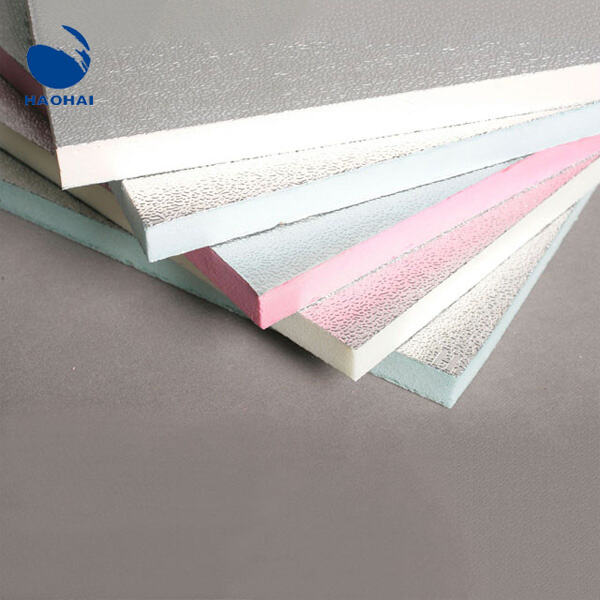
When selecting a thermal insulation board for your project, it’s important to take into account the R-value, thickness and type of insulation board. R-value: A rating of how well a material resists conductive heat flow. The higher the R-value, the better the insulation, but R-value is not everything. The thicker the board, the higher its R-value is typically. The insulating properties of the board may also be influenced by its material. The most popular materials used for insulation boards are the ones mentioned above (or a combination): cellulose, foam, fiber glass, to name a few.
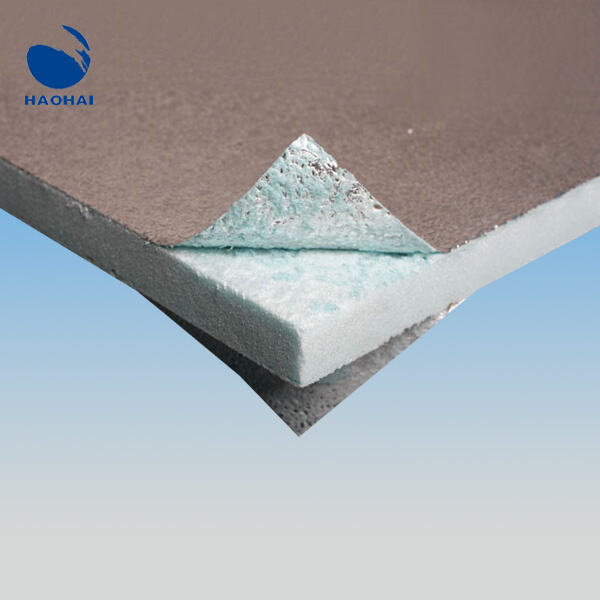
Thermal insulation board is good for the environment-modified copy. To the extent that it reduces the energy needed to heat and cool a building, thermal insulation board can help lower greenhouse gas emissions. This can be useful in mitigating climate change and lessening the environmental impact of buildings. Secondly, thermal insulation board can cut the amount of waste produced during construction, since it is quite strong and can withstand being used over the long term.
Thermal insulation board can also be used to save money on buildings. Thermal insulation board, by lowering the energy costs, it can contribute towards a reduction in the total building operating costs. Thermal insulation board can also increase a building's life expectancy by lessening stress on its heating and cooling systems. This can help to save on maintenance costs and ultimately make buildings more cost-effective.
Our products are constructed using thermal insulation board durable materials Their endurance and performance is superior to those of their competitors and they have gained the confidence of both domestic and international clients
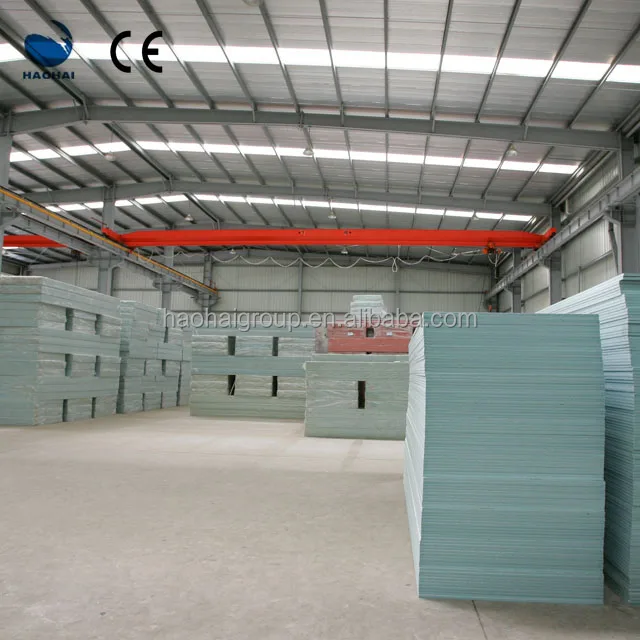
Haohai, established in the month of August 2000, has maintained its thermal insulation board and rapid growth trend. It also became an "Advanced Enterprise and Civilized Unit in Technological Innovation" and received the ISO9001:2015 quality certification for its system. The quality management system that is reliable along with the latest equipment and skilled staffs make our products with steady quality.
Our customer service is efficient and thermal insulation board We have a skilled customer service team who can resolve any customer's issue efficiently The prominent customer service system and technical support ensure us to offer the highest quality service to our customers
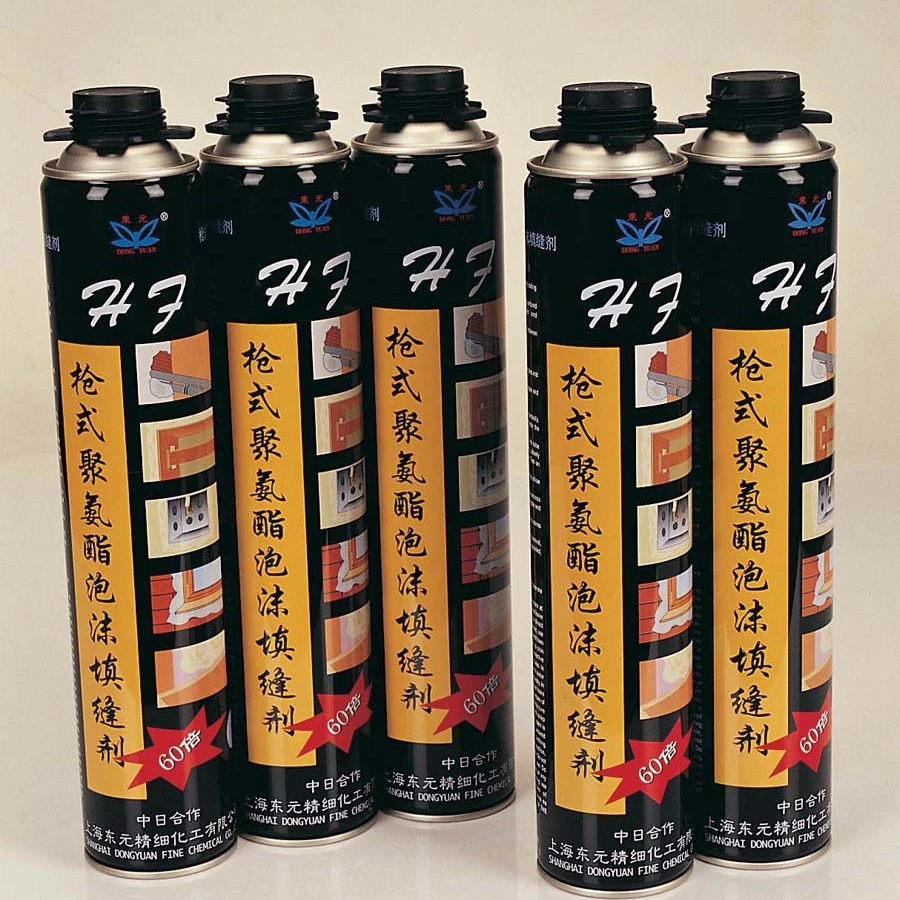
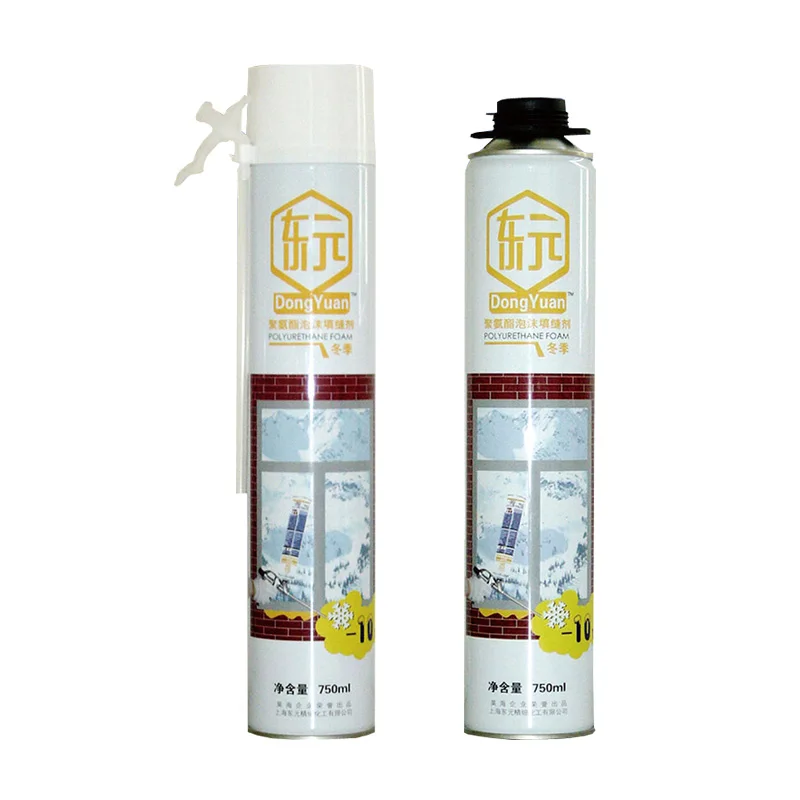
Our main products are Duct Panel, PU foam, stonefix adhesive foam, polystyrol adhesive foam, multipurpose spray thermal insulation board and personal care, home care, car care aerosols. We are now creating OEM products for well-known corporations around the world.

Copyright © Shanghai Haohai Chemical Co.,Ltd.
All Rights Reserved

 EN
EN