
 EN
EN


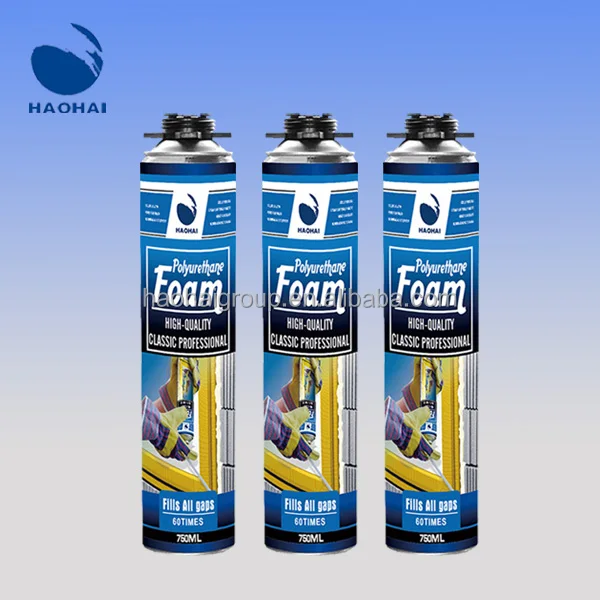
It’s essential to keep your home or work environment cozy, and one of the best ways to do that is with a quality HVAC (Heating, Ventilation and Air Conditioning) system. But did you realize that when your ducts have leaks, it can force your HVAC equipment to work overtime, waste energy and lead to uncomfortable temperatures? That’s why it’s so important to seal duct leaks. Polyurethane foam is one of the most effective materials to use for sealing these leaks. Understanding the effectiveness of this material At Haohai, we understand just how effective this material can be, and want to make sure you know how to use it effectively in order to get the best performance from your HVAC.
Best Practices for Sealing Duct Leaks to Increase Heating and Cooling Efficiency
When you are sealing leaky ducts, it’s important to have an idea of where to start looking. You might want to first check the joints where the ducts meet; these are weak points where air can leak. Check for any tears or holes that are readily apparent. A lot of people think if they are not seeing it fly out, then everything is hunky-dory, but a lot of times you don’t see it. You can even do a very rudimentary test close all the windows and doors, turn on your HVAC system, then touch around the duct to feel air blowing out. After you have found the leaks, wipe clean to eliminate any dust or grease. It needs to be a coated metal, but you can put polyurethane foam on that. If you’re sensitive to chemicals, be sure to wear gloves and a mask. The foam will be pushed into the gaps and form a seal that won’t allow air to escape. Let it dry out completely before turning the system back on. This can help to make your HVAC system more efficient and give you improved heating or cooling, as well as saving on energy bills.
Typical Duct Sealing Application Problems With Polyurethane Foam
Applying polyurethane foam may appear to be simple enough, but many people run into common problems. One issue could be using too much foam. It expands a great deal, and if you apply too much foam, it makes quite a mess that is somewhat difficult to clean up. Start with a small amount; you can always add more. Also, if the duct work is too old or damaged, you might need more than just foam. In these instances, some portions must be replaced altogether before sealing. Another concern is the temperature. The foam can degrade and melt away if exposed to very high heat. Just be sure to look up the specific specs for the foam your using. Finally, while polyurethane makes for an excellent sealant, it’s just not feasible for all types of air duct material. Certain types of ducts may require different sealing procedures so be sure to check the compatibility of the foam. Understanding these problems and how to circumvent them when it comes time to seal ducts, polyurethane foam can truly come in handy. At Haohai, we believe that through knowledge and high-quality materials, we can make everyone's HVAC experience a better one.
How Does Polyurethane Foam Enhance Air Quality in HVAC Applications?
When we think of heating and air conditioning (HVAC) systems, it’s usually with regard to keeping our homes cozy in winter and refreshingly cool in summer. But there’s something that we often overlook, clean breathing air. One method of ensuring that the air we breathe in our homes is as clean and fresh as possible is by polymerization using a particular substance called polyurethane foam. Foam sealant is commonly used to seal openings in HVAC ducting. Ducts are a bit like the large tubes that carry air into all of the rooms in our homes. If the ducts are leaky, air may not go where it is meant to, or it may allow dust and other contaminants to enter. This too can make the air in our homes dirty or stale. By plugging these holes with polyurethane foam, we prevent dirty air from entering while letting the clean air circulate in every room. This not only helps to keep the air fresh, it also helps to keep us healthy. Less dust also means fewer allergies and asthma attacks, particularly for children and adults with respiratory issues. In addition to air quality, it also makes our HVAC systems work better. And if the air isn’t escaping through leaks, the system doesn’t have to run as hard. That means it requires less energy, which saves money on electricity bills and helps reduce pollution. In short, employing polyurethane foam to seal duct leaks has the potential of making the air we breathe inside our homes much better, along with running our HVAC systems more efficiently. It’s a simple, effective trick everyone can use.
Where to Purchase High-Quality Polyurethane Foam for HVAC Work
If you have chosen to seal your HVAC ducts with polyurethane foam, finding a good quality foam can be a daunting task. You’ll want to make sure you select the right type of foam to be certain it serves your needs and lasts. One of the best places to start is with a visit to home improvement outlets. Many such places have departments that carry HVAC supplies, and you can usually find different kinds of polyurethane foams there. Before purchasing, be sure to ask a store employee for assistance. They can also help steer you to the right product for your needs. And be sure to read what other customers say about the foam you are considering. Reading reviews can help you steer clear of products that don’t do their jobs. For even more options, you can check online. There are lots of sites that sell really good polyurethane foam just for HVAC work. Only, only buy from reputable sellers. They represent the companies they manage, like Haohai, that make reliable products, so you can be confident you’re getting something that will work. Plus, online stores tend to offer more selection, so you might be able to find the perfect foam for your project. If you decide to purchase online, do keep in mind shipping times; since you’ll want your foam to get there and be ready for you when it’s time to start sealing up those ducts. In the end, whatever option you choose when visiting a storefront or shop online, be sure to secure some top-quality polyurethane foam and make your HVAC system as efficient as it can be.
Why is Polyurethane Foam the Ideal Solution for Duct Sealing?
There are a lot of sealing materials available, but one of the best options you can go for as far as ducts in HVAC systems go is polyurethane foam. One reason is that it excels at filling gaps and cracks. Unlike other sealing products, polyurethane expanding foam where it is applied enabling it to fill voids and close off exposed areas. This means there is no space for air to escape or enter due to leaks. And polyurethane foam is great insulation, to boot. When it is applied correctly, it will keep the appropriate levels of heat or cold air in your ducts thereby forcing your HVAC system to work more efficiently. Efficiency matters the less work your system has to do, the lower your energy bill. Furthermore, polyurethane foam is durable. It does hold up well over time once it’s set and cured. It never shrinks or deteriorates and can remain in tact indefinitely, so your sealants will last for years to come with no extra maintenance needed. For this reason polyurethane foam is simple investment. It not only makes the air smell clean and fresh, but it also saves money in the long run. And you won’t have to worry about the products such as Haohai’s polyurethane foam, because you putted a good quality testing. why do so many people select polyurethane foam for duct sealing? Its powerful, insulating performance combined with an easy-to-apply formulation. For a long-lasting seal. As a homeowner or contractor, one of the best ways to ensure what you want is what you get when bringing your HVAC system online, consider using polyurethane foam.
Table of Contents
- Best Practices for Sealing Duct Leaks to Increase Heating and Cooling Efficiency
- Typical Duct Sealing Application Problems With Polyurethane Foam
- How Does Polyurethane Foam Enhance Air Quality in HVAC Applications?
- Where to Purchase High-Quality Polyurethane Foam for HVAC Work
- Why is Polyurethane Foam the Ideal Solution for Duct Sealing?