
 EN
EN


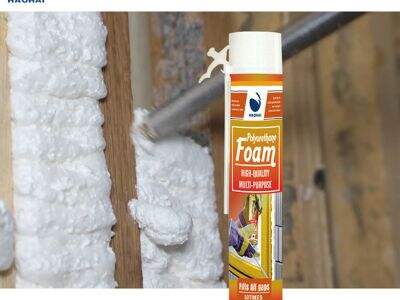
Sealing duct leaks is an important job that help save energy and keep your home comfy
If your heating and cooling systems isn't working good, it might be from leaks in the ducts. These leaks let air escape, which make it tougher for your HVAC system to do its work. When you fix them leaks, you can make your home more energy saving. One good way to seal these is using polyurethane foam. This foam fill gaps and cracks, stopping air from getting out. It’s easy to use, and if applied right, it can lower your energy bills a lot. At Haohai, we know how key it is to keep your home comfy and efficient. Here’s how to spot duct leaks, why polyurethane foam work well for sealing, and how it help your HVAC system run better.
Spotting duct leaks is the first step for making your home more energy saving. You might see some signs that your ducts are leaking. A common sign is uneven heating or cooling in rooms. If some rooms too hot while others too cold, that could mean air escaping from the ducts. You might hear odd noises or feel drafts near vents. Another way to find leaks is check for dust around the vents. Dust build up if air leaking out. You can use a simple trick by turning on your HVAC and feel for air movement around ducts. If you feel airflow where it not supposed to be, that's a leak. Once you know where leaks are, you can prepare to seal them. Taking time to find these will save you money long term. After all, energy waste through leaks mean higher bills.
Polyurethane foam is a great material for sealing ducts. This big gap foam expand when you apply it, filling gaps and cracks that hard to reach. When you spray it into leaks, it harden and make a strong seal that last long. One best thing about polyurethane foam is it not only stop air escaping but also help keep home comfy. When your HVAC work better, it don't have to work so hard to heat or cool. This mean it use less energy, which lead to lower bills. Plus, a well sealed duct system can improve air quality. When air leaks sealed, dust and allergens less likely enter the airflow, making it healthier for family. Using big gap filler foam is a smart pick for anyone want to boost HVAC performance and save energy. At Haohai, we think sealing duct leaks with polyurethane foam is simple but effective way to make home more efficient and comfy.
How to Apply Polyurethane Foam Right for Best Results?
Sealing duct leaks important for keeping home energy saving. One good way is using polyurethane foam. This foam help fill gaps and cracks in ductwork, which save energy and money on heating cooling bills. To apply it properly, first gather your stuff. You need a can of polyurethane foam, a nozzle for easy use, and safety gear like gloves and goggles. Start by finding leaks. You can look for gaps in ducts or listen for air escaping sounds. Once found, clean the area around to make foam stick good.
Next, shake the can well before use. This mix the parts so foam expand right. Attach nozzle to can and spray foam into gaps. Make sure fill them complete, but don’t use too much because it expand when dry. After applying, let it dry full. This take few hours, depend on brand. Once dry, trim extra foam with knife for neat look. Remember, if you not comfy doing it yourself, better ask professional help. At Haohai, we care about your comfort and savings, so polyurethane foam is smart choice for keeping home cozy.
Common Problems When Sealing Ducts with Foam?
When sealing ducts with polyurethane foam, there some common issues people face. One big problem is applying too much foam. When you spray into gaps, it expand a lot. If too much, it can overflow, make mess and sometimes block airflow in ducts. This cause issues with heating cooling system, making it less efficient. Another issue is not cleaning area proper before apply foam. If dust, dirt or grease there, foam may not stick well. This mean seal not effective, and air still escape.
Temperature also affect how foam work. Polyurethane foam should apply when not too cold or hot. If too cold, foam may not expand good, and if too hot, it dry too fast. Best check instructions on can for temp range. Lastly, wear proper safety gear. Some not realize foam can stick to skin and clothes, hard to remove. Gloves and goggles help protect you. At Haohai, we want smooth experience sealing ducts, so keep these issues in mind for best results.
Why Polyurethane Foam Good for Energy Saving Duct Sealing?
Polyurethane foam is top pick for sealing ducts because it effective and easy. One main reason it popular is ability to expand. When spray into gap, it fill every space, which stop air escaping. This important because air leaks make heating cooling system work harder. This can lead higher bills. By using polyurethane foam, you can make home more energy saving.
Another reason to choose is durability. Once dry, it become strong seal last many years. Unlike other materials, foam not break down easy. This means you won’t reseal ducts every few months. Plus, polyurethane foam resist moisture, which help prevent mold growth in ducts. This great for family health.
Finally, expanding foam filler very versatile. It can use in many places, not just ducts. You can seal windows, doors, around pipes. This make it handy for home projects. At Haohai, we believe use best materials to save energy and keep home comfy. Polyurethane foam smart choice for making home efficient and cozy.